Betfred Publishes Final Annual Report Before Major Gambling Reforms
Written by Yves Powell · Oct 12, 2026

Betfred Publishes Final Annual Report Before Major Gambling Reforms
Betfred released its financial results for the 52 weeks ending 29 March 2026, marking the operator's last full-year statement ahead of significant UK tax and regulatory adjustments set to take effect later in the year. The figures show turnover reaching £995.6 million alongside gross profit of £720 million and profit after tax standing at £39.6 million. Observers note these outcomes occurred against a backdrop of period-length differences, rising Remote Gaming Duty rates, and ongoing pressures within the retail betting landscape.
Key Financial Metrics and Year-Over-Year Comparison
Data from the report places the most recent 52-week period alongside an earlier 78-week stretch that delivered £1.07 billion in turnover and £128.8 million in profit after tax. Researchers examining the accounts point to the shorter reporting window as one direct factor behind the reduced totals, while additional influences include the Remote Gaming Duty increase from 21 percent to 40 percent implemented in April 2026. Those who've reviewed similar filings note that such duty hikes typically compress margins across online operations, and Betfred's results align with that pattern.
Online turnover reached £451.7 million during the period, reflecting growth in the digital channel even as physical retail locations faced continued contraction. Experts have observed that operators across the sector have accelerated investment in app-based and website platforms, a shift that appears in Betfred's channel breakdown where online activity gained ground relative to earlier years.
Retail Sector Pressures and Shop Closures
Challenges in the retail betting sector surface throughout the report, with references to widespread shop closures by major operators including those affecting high-street locations. Figures reveal that declining footfall, combined with higher operational costs, prompted several chains to reduce their physical footprints. Betfred's own retail performance reflects these broader trends, as the company navigated the same market conditions that led competitors to shutter hundreds of premises nationwide.
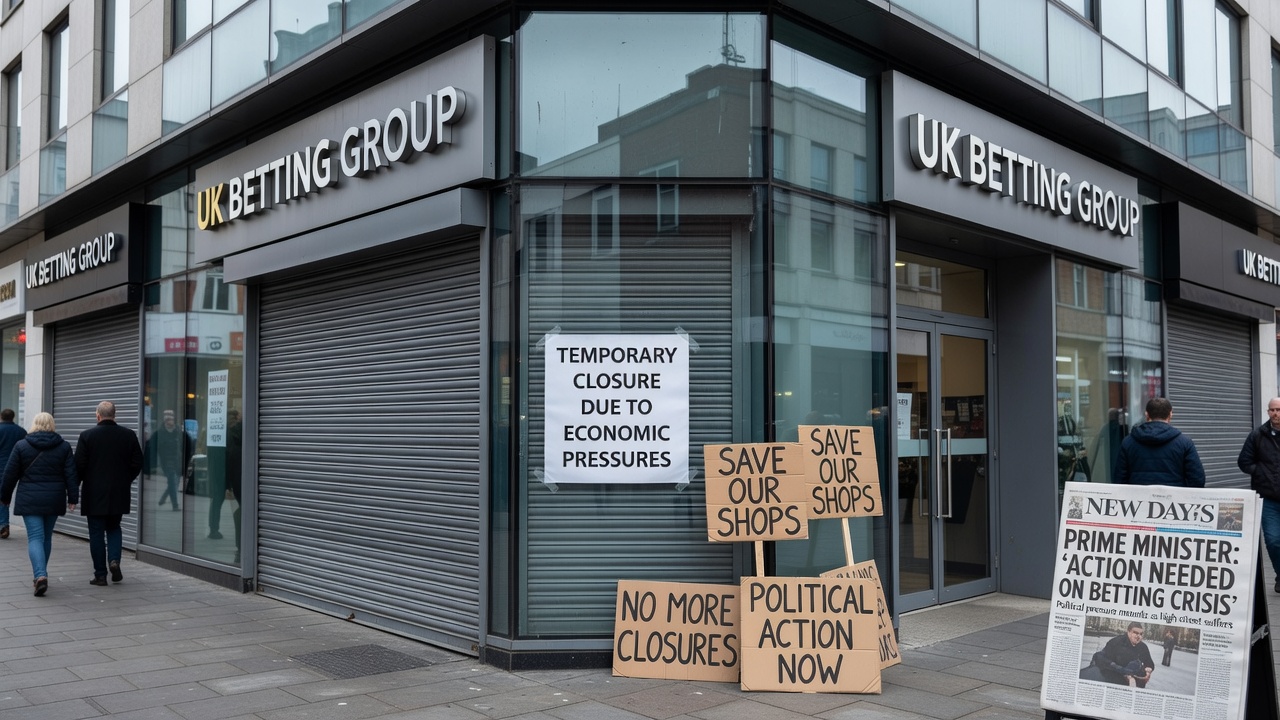
And yet the transition toward online channels continues to reshape revenue streams for operators like Betfred. Data indicates that customers increasingly place wagers through mobile devices rather than visiting physical shops, a behavioral change that gained momentum after pandemic-related restrictions eased. Those who've tracked industry statistics over the past five years see this pattern holding steady through 2026.
Context of Upcoming Regulatory Changes
The October 2026 timing of the report release places these numbers in sharp relief against the April 2026 duty increase and further licensing adjustments scheduled for later in the calendar year. According to filings available via Companies House, the company prepared its accounts with full awareness of the policy shifts that would follow. Industry analysts examining parallel reports from other operators note similar preparations, including cost reviews and channel rebalancing, as firms adapt to the higher Remote Gaming Duty rate.
Turnover composition within the 52-week window shows the online segment offsetting some of the retail contraction, a development that aligns with wider market movement toward digital platforms. The report details how Betfred maintained operations across both channels while managing the financial impact of elevated duty charges that took effect midway through the subsequent financial year.
Broader Industry Patterns Reflected in the Results
Retail betting industry observers have documented more than 540 shop closures and associated job losses since the most recent budget measures took hold, trends that appear in Betfred's narrative around its physical estate. The company's results therefore serve as one data point within a larger sector adjustment, where operators respond to combined pressures from taxation, regulation, and changing consumer habits. What's significant is how the 52-week figures capture the final stretch before those cumulative effects fully register in future statements.
Profit after tax of £39.6 million, while lower than the prior extended period, still demonstrates continued viability for the business model under the new duty regime. Researchers comparing multiple operator accounts find that firms with stronger online presences generally report more resilient margins, and Betfred's £451.7 million online turnover supports that observation. The reality is that the shift in customer preference toward remote channels predates the 2026 duty change yet accelerated once the higher rate became certain.
Conclusion
Betfred's 52-week report to 29 March 2026 therefore encapsulates a transitional moment for the operator and the wider UK betting market. The documented turnover, gross profit, and profit after tax figures, alongside the noted channel split and external pressures, provide a baseline against which future performance under the revised tax and regulatory framework can be measured. Those monitoring the sector will watch subsequent filings to see how the April 2026 duty adjustment and related changes influence results once they appear in full-year data.