UK High-Street Betting Sector Reports Over 540 Shop Closures and 4,500 Job Losses Since Latest Budget
Written by Ulrich Berger · Aug 19, 2026

UK High-Street Betting Sector Reports Over 540 Shop Closures and 4,500 Job Losses Since Latest Budget
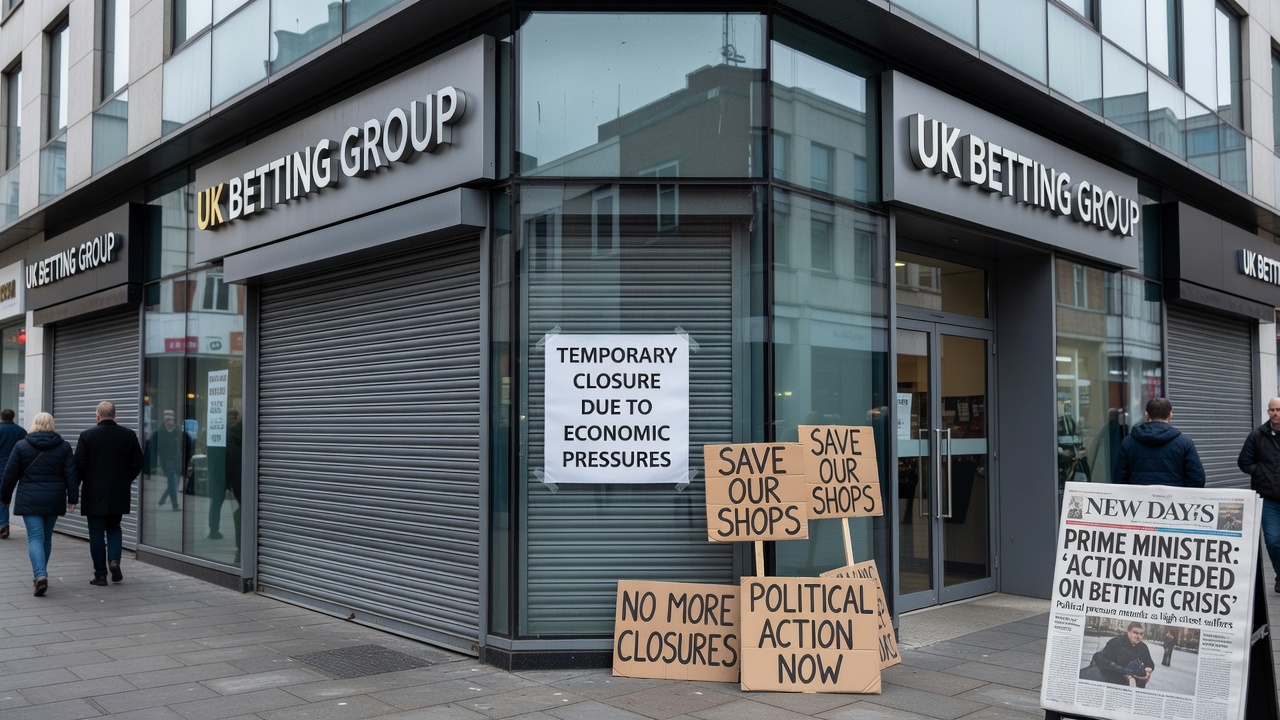
The regulated high-street betting sector in Britain has recorded more than 540 betting shop closures along with around 4,500 jobs lost since the previous year’s Budget, and these figures stem directly from rising taxes combined with increased operating costs that have pressured operators across the country. This recent wave of closures builds upon a longer-term pattern of contraction that began earlier, where approximately 3,000 shops disappeared and over 15,000 positions were eliminated since 2019, according to data compiled by industry representatives.
Recent Closures and Their Immediate Triggers
Since the most recent Budget measures took effect, operators have faced heightened financial demands that include elevated tax rates and broader cost pressures, and these factors have combined to accelerate the pace of shop shutdowns in towns and cities nationwide. The Betting and Gaming Council has documented these developments through its ongoing monitoring of the sector, and the organization points to tax increases as a primary driver behind the decisions to close locations that once provided local employment and community services. Observers note that the 540-plus closures represent a measurable acceleration compared with prior periods, while the associated loss of 4,500 roles has affected staff members who previously worked in customer-facing positions within the regulated market.
Longer-Term Decline Since 2019
The situation extends well beyond the latest Budget cycle, because the sector has sustained cumulative losses of roughly 3,000 shops and more than 15,000 jobs since 2019, and these earlier reductions reflect sustained challenges that include successive regulatory adjustments and cost escalations over multiple years. Data compiled across this timeframe shows a steady contraction that predates the most recent tax changes, yet the additional closures since the Budget have compounded the overall impact on employment levels and physical retail presence. Researchers tracking industry metrics have tracked these numbers through reports submitted by licensed operators, and the totals indicate that high-street betting locations continue to diminish at a consistent rate even as other parts of the economy experience different trajectories.
Sector Contributions to Employment and Tax Revenue
Despite the documented closures, the broader betting and gaming sector still supports 109,000 jobs across Britain while generating more than £4 billion in annual tax revenues, and these contributions come from both high-street operations and other licensed channels that remain active under current regulations. The Betting and Gaming Council has highlighted these figures in its statements about the industry’s economic footprint, and the organization notes that the regulated market continues to deliver substantial fiscal returns even amid ongoing contraction in physical retail locations. Figures reveal that tax payments from the sector help fund public services, while employment spans a range of roles from retail staff to behind-the-scenes support functions that sustain the licensed ecosystem.
Warnings on Further Tax Increases
The Betting and Gaming Council has issued statements cautioning that additional tax rises would likely produce more shop closures, reduced capital investment in the sector, and greater advantages for unlicensed operators in the illegal market, and these predictions rest on patterns observed during previous periods of heightened fiscal pressure. According to the council’s analysis, operators facing tighter margins often respond by scaling back physical locations rather than absorbing sustained losses, and this approach can shift activity toward unregulated channels that operate outside tax and consumer protection frameworks. Data from the organization shows that past tax adjustments correlated with accelerated closures, while investment in premises upgrades and technology upgrades has slowed when costs rise sharply. The council links these outcomes directly to policy decisions, and it emphasizes that the regulated sector’s ability to maintain employment and revenue streams depends on stable tax conditions that avoid further erosion of margins.
Patterns Observed Through August 2026
As developments continue into August 2026, the same combination of tax burdens and operating costs remains in place for high-street operators, and the earlier closures since the Budget continue to shape employment levels across affected regions. Industry monitoring through this period has recorded no reversal in the downward trend for physical betting shops, while the cumulative job losses since 2019 stand as a baseline against which newer reductions are measured. The Betting and Gaming Council continues to track these metrics and to communicate the sector’s ongoing contributions of 109,000 positions and over £4 billion in yearly tax payments, and these numbers provide context for discussions about future policy impacts on both licensed and unlicensed markets.
Conclusion
The reported closures of more than 540 betting shops and the associated loss of around 4,500 jobs since the previous Budget represent the latest chapter in a contraction that has already removed approximately 3,000 locations and over 15,000 roles since 2019, and these changes occur against a backdrop where the regulated sector still delivers 109,000 total jobs and more than £4 billion in annual tax revenues. The Betting and Gaming Council has connected these outcomes to rising taxes and costs while warning of further effects from additional increases, and its statements draw on data gathered from licensed operators operating under current rules. Observers tracking the industry note that the balance between regulated contributions and ongoing retail contraction will depend on how tax and cost pressures evolve in coming periods.